Industry Knowledge & News

Cosmetics Industry Blog & Insights

Expert formulation guidance, private label manufacturing trends, and clean beauty innovations from NK Cosmetics.

Expert Beauty Resources

Formulation Trends & Standards

Discover helpful guides for beauty brand founders, product developers, and overseas sourcing experts.

0%

Cruelty-free lipstick manufacturing means creating lipstick without testing the finished product, ingredients, or production formulas on animals. It also requires careful supplier oversight. A lipstick tube may look simple, yet its formula can involve waxes, oils, pigments, preservatives, and packaging adhesives from multiple sources. Each stage matters.

Michelle Thew, a respected cruelty-free cosmetics advocate and former chief executive of Cruelty Free International, stated, “There is no excuse for animal testing in cosmetics.” Her words reflect the central purpose of this industry. Ethical manufacturing replaces animal testing with validated methods, ingredient safety data, laboratory testing, and controlled human-use assessments where appropriate. Responsible brands also seek credible certification, maintain supplier declarations, and review their supply chains regularly.

The process is not always perfectly transparent. A brand may avoid testing its final lipstick while relying on an ingredient supplier with unclear historical practices. That gap deserves attention. Cruelty-free does not automatically mean vegan, organic, natural, or environmentally harmless. Different certification programs may apply different standards, so careful readers should examine their criteria rather than trust a front-label claim.

A reliable manufacturer documents every formula change. It records batch numbers, pigment sources, testing methods, and supplier approvals. During production, trained technicians inspect texture, color consistency, odor, stability, and microbial safety. The finished lipstick should glide smoothly, leave an even layer, and remain stable in a warm handbag. These practical details connect ethical promises with real manufacturing experience. Cruelty-free lipstick manufacturing is therefore both a moral commitment and a demanding quality-control discipline.
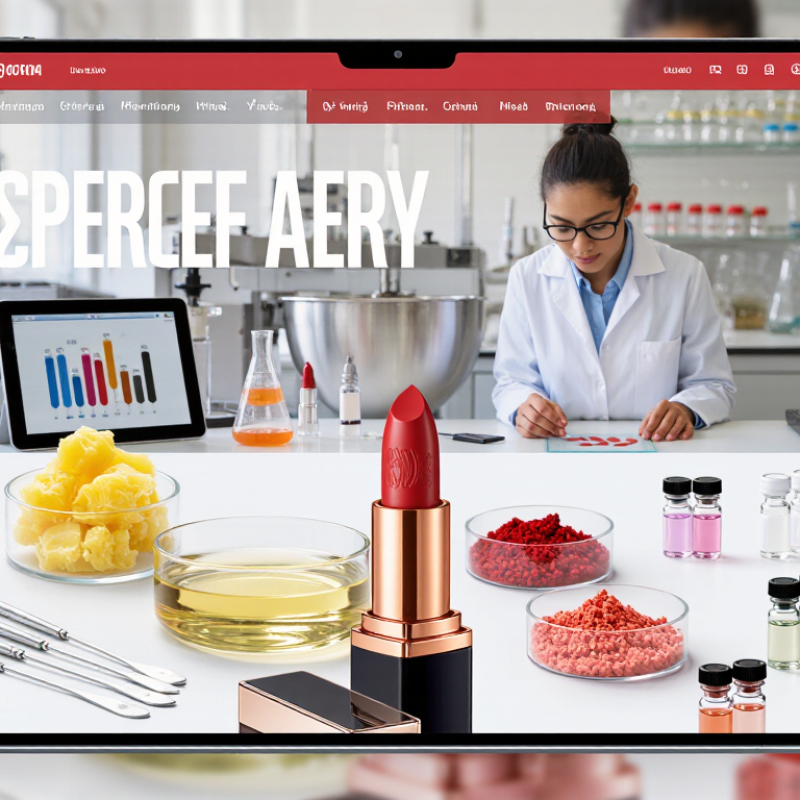
What Is Cruelty Free Lipstick Manufacturing?

What Cruelty-Free Lipstick Manufacturing Means

Cruelty-free lipstick manufacturing means producing lipstick without testing the finished product, ingredients, or formulas on animals. It also requires careful control of suppliers. A factory may request signed declarations, testing policies, and ingredient traceability records before production begins. Those documents should connect each raw material to its original supplier. Not just the final formula.

In practice, reliable production depends on audits and consistent records. Staff check mixing tanks, filling equipment, cleaning procedures, and batch numbers. A lipstick tube may look simple, but every wax, pigment, oil, and preservative needs documented approval. Cruelty-free does not always mean vegan. Some formulas can still contain animal-derived materials, depending on their composition. Requirements also vary across regions, so manufacturers should review current standards and communicate clearly. Labels can be confusing. A small paperwork gap may weaken an otherwise responsible process. I believe manufacturers should explain their evidence, not rely only on attractive claims. Consumers deserve traceable answers, even when the supply chain is imperfect.

What Is Cruelty-Free Lipstick Manufacturing?

Cruelty-free lipstick manufacturing means that the finished product and its cosmetic ingredients are not tested on animals, including during product development and safety assessment. The timeline below shows key European Union milestones that shaped cruelty-free cosmetic manufacturing.

The dates reflect major European Union cosmetics policy milestones: a ban on testing finished cosmetic products in 2004, broader testing and marketing restrictions in 2009, and the final EU marketing ban for animal-tested cosmetics in 2013. Cruelty-free does not automatically mean that a lipstick is vegan.

How Cruelty-Free Ingredients Are Selected and Verified

Cruelty-Free Lipstick Manufacturing

How Cruelty-Free Ingredients Are Selected and Verified

Cruelty-free lipstick begins with a documented ingredient policy. Formulators screen waxes, oils, pigments, and preservatives before laboratory trials. They ask suppliers whether ingredients, mixtures, or finished products underwent animal testing. Vegan and cruelty-free are different claims. A formula may avoid animal testing yet contain beeswax. This distinction requires clear records and careful wording.

Evidence matters more than a reassuring checkbox. Suppliers should provide signed declarations, ingredient origins, testing histories, and updated compliance statements. Independent audits can examine laboratories, purchasing files, and production records. Auditors may also check whether a supplier changed manufacturing sites or subcontractors. Each raw material needs a traceable code. That code should connect the shipment to its specification and approval date.

Verification continues after approval. Quality teams review changes, retain samples, and investigate unexplained documentation gaps. Modern safety methods, such as validated in-vitro testing and published toxicology data, can reduce reliance on animal tests. Yet no certification system is perfectly transparent. Small suppliers may lack polished paperwork, while large files can hide confusing exceptions. I would record every decision, question uncertain claims, and avoid advertising stronger certainty than the evidence supports. That honesty protects consumers and improves the process.

What Is Cruelty-Free Lipstick Manufacturing? - How Cruelty-Free Ingredients Are Selected and Verified

Manufacturing Dimension Ingredient or Process Example Animal-Testing or Animal-Derived Concern Evidence Used for Verification Verification Interpretation
Ingredient sourcing policy All formula ingredients and processing aids A supplier or ingredient manufacturer may conduct or commission animal testing, depending on its policy and the applicable market. Current supplier declarations, contractual requirements, ingredient specifications, and change-control records Acceptable when documented
Finished-product testing Safety, stability, microbiological, and compatibility testing A cruelty-free policy generally excludes animal testing for the finished cosmetic product, subject to the scope of the policy or certification. Testing protocols using validated non-animal methods, laboratory records, and safety-assessment documentation No animal testing in scope
Beeswax selection Beeswax, commonly used as a structuring and thickening agent Beeswax is animal-derived, although its use does not by itself indicate animal testing. Origin statement, ingredient specification, and vegan-status review where relevant Cruelty-free may still apply; not vegan
Carmine or cochineal review Carmine, a red colorant derived from cochineal insects The ingredient is animal-derived and is not suitable for a vegan formula. Color-index or INCI identification, raw-material origin records, and formula approval documentation Separate cruelty-free and vegan claims
Lanolin screening Lanolin, a wool-derived emollient that may be used in some cosmetic formulas Lanolin is animal-derived; its presence affects vegan suitability but is separate from animal-testing status. Supplier origin statement, INCI review, and approved-ingredient list Animal-derived ingredient identified
Squalane source verification Squalane used as an emollient; it may be plant-derived or sourced from other materials The name alone does not establish the source. Historical animal-derived sources make origin verification important. Raw-material origin, manufacturing process description, and supplier traceability records Source must be confirmed
Glycerin source review Glycerin used as a humectant and texture-supporting ingredient Glycerin can be plant-derived, synthetic, or obtained from animal fats, so the INCI name alone is insufficient to determine origin. Supplier declaration, feedstock information, and batch-level traceability where required Verify feedstock before a vegan claim
Colorant approval Mineral, synthetic, or naturally derived pigments used to create lipstick shades Colorants can have different origins and regulatory restrictions. A natural origin does not automatically mean cruelty-free. Color-index reference, purity specification, permitted-use review, and supplier testing documentation Safety and origin reviewed separately
Supplier audit and traceability Raw-material suppliers, processors, laboratories, and manufacturing facilities A written policy is weaker when the supply chain cannot demonstrate how the requirement is controlled and updated. Signed declarations, audit reports, purchase records, corrective-action records, and supplier re-approval dates Stronger verification evidence
Claim and certification review “Cruelty-free,” “not tested on animals,” and “vegan” are different claims Cruelty-free generally addresses animal testing, while vegan addresses animal-derived materials. Definitions and legal requirements can vary by market. Claim-substantiation file, scope statement, certification criteria where applicable, and legal review Use precise, supportable wording

Note: Cruelty-free and vegan are not interchangeable terms. Verification should cover the full formula, ingredient supply chain, testing activities, manufacturing controls, and the specific market requirements for the product claim.

Step-by-Step Production of Cruelty-Free Lipstick

What Is Cruelty-Free Lipstick Manufacturing?

Step-by-Step Production of Cruelty-Free Lipstick

Cruelty-free lipstick production begins with ingredient screening. Manufacturers check waxes, pigments, oils, and preservatives through supplier declarations and traceable records. Cruelty-free does not always mean vegan. Beeswax, for example, may be acceptable under some cruelty-free standards. The ethical definition must be stated clearly.

The formula is then mixed in a heated stainless-steel vessel. Waxes melt first, usually between 70°C and 85°C. Oils and pigments follow. A high-shear mixer removes visible pigment clumps. The liquid lipstick is poured into cleaned molds, cooled, and released for inspection. Technicians check shade accuracy, surface smoothness, breakage, odor, and melting behavior. Stability and microbiological testing are also necessary. Animal testing is not used for these assessments. Alternative methods and human safety data support the evaluation.

Grand View Research reported that the global lipstick market was valued at approximately USD 11.5 billion in 2023. This growth increases demand for clearer ethical documentation. However, supplier paperwork can become outdated. That is where production becomes imperfect, and better review is needed.

Tips: Request current supplier declarations, audit critical raw materials, and separate cruelty-free claims from vegan claims. Keep batch samples for future investigation. Packaging also matters. The 2023 McKinsey and World Economic Forum report noted that packaging waste remains a major sustainability concern, so recyclable components should be assessed without compromising product safety.

Animal Testing Policies Across the Supply Chain

What Is Cruelty Free Lipstick Manufacturing?

Animal Testing Policies Across the Supply Chain

Cruelty-free lipstick manufacturing begins with a written animal-testing policy. That policy should cover ingredients, finished products, packaging materials, and outsourced laboratory work. A supplier should confirm that no animal tests were commissioned or required for cosmetic development. This commitment must reach beyond the lipstick factory. It includes pigment producers, wax suppliers, packaging companies, and independent testing laboratories. One missing supplier can weaken the entire claim.

Reliable oversight depends on evidence, not attractive wording. Manufacturers can request supplier declarations, testing records, ingredient traceability documents, and updated compliance statements. They should also check whether suppliers use external laboratories. A signed form helps, but it is not conclusive proof. Audits, risk-based reviews, and documented corrective actions provide stronger assurance. Records should identify materials by batch, date, and supplier location. Details matter.

Policies also need clear exceptions and review dates. Some suppliers may change ownership, formulas, or testing partners without immediate notice. That creates a practical weakness. No system is flawless. A company may believe its policy is complete while overlooking a small packaging subcontractor. Regular supplier assessments can expose that gap. Independent certification may add confidence, but certification standards differ and should be examined carefully. Consumers and buyers deserve precise language about what the policy covers, where evidence begins, and where uncertainty remains.

Quality, Safety, and Ethical Compliance Checks

What Is Cruelty Free Lipstick Manufacturing?

Quality, Safety, and Ethical Compliance Checks

Cruelty free lipstick manufacturing begins with documented supplier controls, not a marketing promise. Each wax, pigment, oil, and preservative should have a traceable source. Batch records must connect incoming materials to finished lipstick tubes.

Records matter. A quality team checks color uniformity, texture, odor, melting behavior, and package compatibility. Samples should be stored for comparison during later investigations.

Safety testing also requires practical detail. Microbiological tests can identify contamination risks in water-based ingredients and shared equipment. Stability testing examines heat, light, and repeated opening.

A lipstick left near a sunny window should not develop separation or an unusual smell. Manufacturing areas need cleaning schedules, calibrated instruments, controlled temperatures, and trained operators.

One missed cleaning record can weaken an otherwise strong production system.

Ethical compliance involves more than confirming that finished products were not tested on animals. Manufacturers should review supplier declarations, laboratory methods, contract arrangements, and audit evidence across the supply chain.

Claims must match the company’s actual policy and the markets where products are sold. No audit is flawless. A supplier statement can be incomplete.

I would question any file that contains polished certificates but no batch-level evidence. Independent audits, corrective-action records, and periodic reassessment provide stronger support.

Small gaps matter, especially when a pigment supplier changes without timely documentation.

FAQS

What does cruelty-free lipstick manufacturing mean?

It means the formula, ingredients, and finished lipstick are not tested on animals. The policy should also cover packaging and outside laboratories.

Why must suppliers be included in the policy?

Ingredients come from many sources. Pigment, wax, oil, and preservative suppliers may use different testing practices. One missing supplier can weaken the claim.

What documents can support a cruelty-free claim?

Manufacturers can collect signed declarations, testing policies, traceability records, and updated compliance statements. Records should show the supplier, batch, date, and material source.

Are signed supplier declarations enough proof?

Not always. A signature helps, but it does not prove every detail. Audits, testing records, and corrective actions provide stronger evidence.

Does cruelty-free lipstick always mean vegan lipstick?

No. A cruelty-free formula may contain animal-derived materials. Buyers should check the ingredient composition and the exact claim.

How are lipstick batches monitored during production?

Staff record incoming materials and connect them to finished tubes. They check color, texture, odor, melting behavior, and package compatibility. Samples are stored for comparison.

What safety checks are important during lipstick manufacturing?

Teams review contamination risks, stability, heat exposure, light exposure, and repeated opening. They also control cleaning, temperature, equipment calibration, and operator training.

What weaknesses can affect a responsible manufacturing process?

A supplier may change ownership, formulas, or testing partners. A small packaging subcontractor may be overlooked. No audit is flawless.

How should manufacturers communicate cruelty-free claims?

They should explain the policy, evidence, coverage, and remaining uncertainty. Attractive wording is not enough. Traceable answers are better, though supply chains can remain imperfect.

Conclusion

Cruelty-free lipstick manufacturing is a process designed to create safe, effective lip products without testing finished products, ingredients, or formulations on animals. It begins with carefully selecting raw materials from suppliers that can provide clear documentation about sourcing and testing practices. Each ingredient is reviewed for quality, consistency, and ethical compliance, while alternative evaluation methods may be used to assess product safety.

The production process typically includes weighing and blending oils, waxes, pigments, and conditioning ingredients, followed by controlled heating, mixing, molding, cooling, and packaging. Throughout the supply chain, manufacturers verify supplier policies and maintain records to support cruelty-free claims. Quality checks examine color, texture, stability, hygiene, and packaging performance, while safety assessments help confirm that the final lipstick meets appropriate regulatory and manufacturing standards. This approach combines responsible ingredient selection, transparent documentation, careful production controls, and ongoing compliance checks to deliver a reliable cosmetic product aligned with ethical consumer expectations.
Everett

Everett

Everett is a dedicated marketing professional with a deep understanding of the company’s products, customers, and market environment. Through years of experience in strategic communication, content development, and customer research, he transforms complex product information into clear, practical,......