The organic hair-care market is moving from a niche category toward a more disciplined supply chain. Grand View Research reports that the global organic personal care market was valued at approximately USD 21.7 billion in 2023, with continued growth expected through 2030. Meanwhile, Future Market Insights identifies rising demand for organic shampoo, driven by ingredient transparency, scalp wellness, and environmentally conscious purchasing.
This shift makes wholesale organic shampoo manufacturing more demanding than simply adding “natural” to a label. Buyers need verified formulas, stable supply, and evidence behind every claim. A credible manufacturer should provide current INCI lists, microbial testing, stability data, batch traceability, and clear certification details. Relevant standards may include COSMOS, USDA Organic, or other recognized regional schemes, depending on the target market.
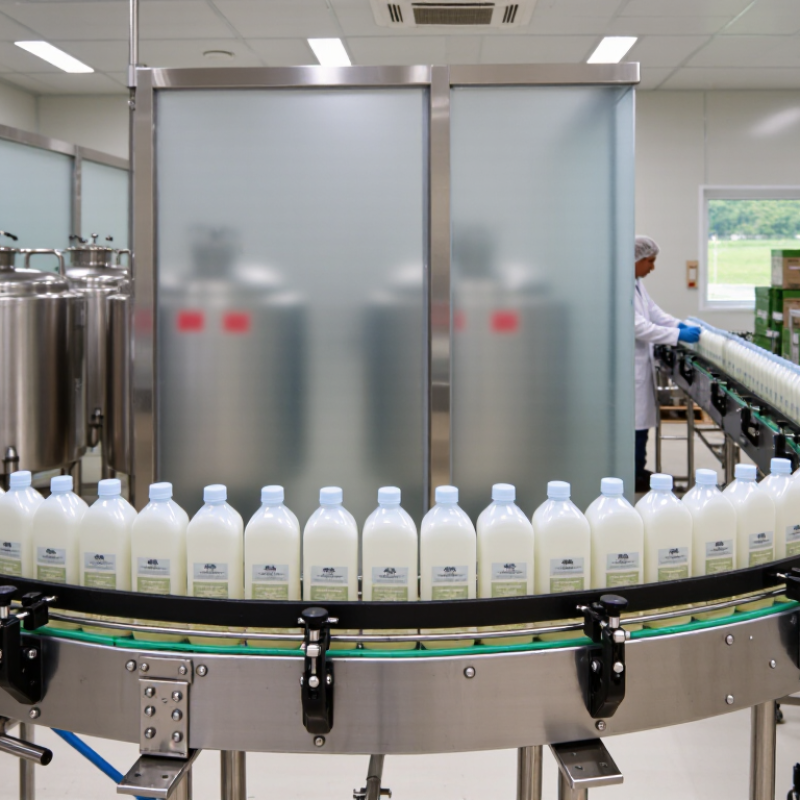
Small details reveal operational quality. Look for sealed raw-material drums, controlled filling rooms, and batch codes printed clearly on each bottle. Packaging choices also matter. PCR plastic, aluminum tubes, and refill systems can reduce material impact, but only when they protect formula stability and consumer safety.
This list is not a perfect ranking. Supplier capabilities change, and public information can be incomplete. That deserves attention. The ten manufacturers selected here are assessed through product quality, certification transparency, minimum order quantities, private-label support, production capacity, and responsiveness. Industry reports offer useful market context, but direct audits and sample testing remain essential before signing a wholesale agreement. Good marketing attracts buyers. Reliable evidence keeps them.
What Defines a Reliable Wholesale Organic Shampoo Manufacturer
A reliable wholesale organic shampoo manufacturer proves quality before discussing price. Grand View Research valued the global organic shampoo market at about USD 1.4 billion in 2023. It also projects steady growth through 2030. Demand is rising, but so are supplier claims.
Look for traceable ingredients, current certificates, and clear batch records. A serious factory should provide INCI lists, certificates of analysis, microbial test results, and stability data. Organic claims must match recognized standards, such as USDA Organic or COSMOS requirements. Packaging should show batch numbers, production dates, and practical storage guidance. Small details matter.
Ask for a pilot order first. Examine the shampoo’s scent, foam, viscosity, and bottle seal after transport. Request the manufacturer’s GMP documentation and recall procedure. The Organic Trade Association reported U.S. organic industry sales reached nearly USD 70 billion in 2023, showing how closely buyers watch product integrity. Yet market size does not guarantee factory reliability.
Lead times should be written, not casually promised. Minimum order quantities should fit your sales forecast. A cheaper quote may conceal weak testing or unstable supply. I would not trust perfect claims without records. No manufacturer is flawless. The useful question is whether problems are documented, explained, and corrected quickly.
| No. | Reliability Dimension | What a Reliable Manufacturer Provides | Documents or Data to Request | Warning Signs |
|---|---|---|---|---|
| 1 | Verified Organic Certification | Uses an appropriate third-party organic certification for the target market and clearly identifies which ingredients, formulas, and production sites are covered. | Current certificate, certification scope, certified product list, certificate number, issuing organization, and expiry date. | Unqualified claims such as “100% organic” without a certificate or certification scope. |
| 2 | Cosmetic Good Manufacturing Practice | Operates documented production, hygiene, traceability, sanitation, storage, and quality-control procedures consistent with ISO 22716 principles. | GMP certificate or audit report, site details, quality manual summary, batch-record example, and sanitation procedures. | Inconsistent batch records, uncontrolled production areas, or no written quality procedures. |
| 3 | Ingredient Transparency | Provides complete INCI ingredient lists and identifies the origin, function, and organic status of key ingredients without hiding material substitutions. | Full INCI list, ingredient specification sheets, country of origin, allergen information, and current formulation revision. | “Natural blend” descriptions with no complete ingredient declaration or unexplained proprietary ingredients. |
| 4 | Batch Testing and COA Control | Tests finished shampoo batches for required quality parameters and supplies a Certificate of Analysis linked to a specific lot number. | Sample COA, test methods, lot number, manufacturing date, expiry or retest date, microbiological results, pH, and viscosity data. | Generic COAs that are not linked to the delivered batch or missing microbiological testing. |
| 5 | Microbiological Safety | Uses appropriate preservation, water-quality controls, environmental hygiene, and microbiological release testing for each applicable batch. | Microbial limits, preservative challenge-test summary where relevant, water-testing records, and finished-product microbiology results. | No microbial specifications, no release testing, or unsupported preservative-free claims. |
| 6 | Regulatory Readiness | Supports compliance with the regulations of the intended sales market, including labeling, product safety documentation, and required facility or product records. | Product information file support, safety assessment, label review, regulatory statements, and market-specific compliance checklist. | Promises that one label or certificate automatically meets every country’s requirements. |
| 7 | Formula and Packaging Stability | Validates compatibility between the shampoo formula and its bottle, cap, pump, label, and shipping conditions. | Stability-test summary, packaging compatibility report, freeze-thaw or accelerated-aging data where applicable, and transport-test results. | Leaking closures, separated formulas, fading labels, or no shelf-life rationale. |
| 8 | Traceability and Recall Capability | Can trace raw materials and packaging from approved suppliers through production, testing, shipment, and customer delivery. | Lot-coding format, raw-material records, supplier approval process, complaint procedure, recall plan, and retention-sample policy. | No lot code, incomplete supplier records, or inability to identify affected shipments. |
| 9 | Wholesale and Private-Label Support | Offers clear specifications for minimum order quantities, lead times, packaging options, artwork requirements, sampling, and change-control procedures. | Wholesale price structure, MOQ sheet, sample policy, production timeline, packaging specifications, and written change-notification terms. | Unclear pricing, changing MOQs, unapproved substitutions, or uncommitted delivery estimates. |
| 10 | Ethical and Sustainable Sourcing | Documents responsible sourcing practices and avoids unsupported environmental, cruelty-free, fair-trade, or sustainability claims. | Supplier code of conduct, sourcing policy, relevant material certificates, packaging composition, recycled-content data, and claim substantiation. | Green marketing language without supporting documents, vague supply-chain information, or unverifiable ethical claims. |
Look for liquid, solid, sulfate-free, sensitive-scalp, and children’s formulas. Different customers need different textures and functions. More choice helps. Too many options may complicate inventory planning.
Request current certificates and check which formulas they cover. Review ingredient specifications and allergen declarations. Do not trust packaging claims alone. Evidence matters more than attractive wording.
Ask for microbiological tests, stability results, batch records, and production analyses. These documents show how quality is controlled. Missing records deserve careful questions.
Test samples on several hair types. Check scent, texture, foam, rinsing feel, and scalp comfort. A sample can reveal problems quickly. It cannot predict every production issue.
Confirm minimum order quantities, sample fees, lead times, bottles, labels, and formula ownership. Write every detail into the agreement. Verbal promises can become unclear later.
Visit the facility when possible. Check storage areas, filling lines, sanitation records, and worker procedures. Look for clean, organized spaces. A short visit may still miss hidden problems.
A pilot order tests product consistency, communication, packaging, and delivery timing. It limits the risk of a large mistake. Small orders are not always cheaper, though.
Be cautious when answers are vague or replies are consistently slow. Delayed communication may signal operational problems. Excellent samples are not enough. I would review the supplier again before committing.
Choosing the right wholesale organic shampoo manufacturer is essential for businesses seeking safe, effective, and market-ready hair care products. A reliable supplier should demonstrate consistent quality control, transparent ingredient sourcing, responsible production practices, and dependable order fulfillment. Important evaluation standards include recognized organic or natural certifications, laboratory testing, regulatory compliance, production capacity, packaging quality, and clear communication. Manufacturers with strong wholesale organic shampoo manufacturing capabilities can also provide flexible order quantities, stable supply, and product development support.
When comparing potential suppliers, businesses should review their shampoo range, formulation options, certification documents, private label services, packaging choices, and customization capabilities. It is also important to assess minimum order requirements, pricing structure, lead times, sample policies, and after-sales support. The best manufacturer is not always the one offering the lowest price, but the one that consistently meets quality expectations, supports brand goals, and can scale with future demand. Careful research and direct discussions can help businesses build a reliable, long-term supply partnership.