Expert formulation guidance, private label manufacturing trends, and clean beauty innovations from NK Cosmetics.
Discover helpful guides for beauty brand founders, product developers, and overseas sourcing experts.
Choosing a private label mascara manufacturer is not simply a matter of comparing prices. The right partner must turn a liquid formula into a safe, stable, and attractive product. It must also understand your brand’s identity. A soft brown mascara needs a different visual direction from a dramatic, jet-black formula.
Cosmetic chemist Perry Romanowski offers a useful principle: “Don’t trust a supplier; verify what they tell you.” This advice should guide every manufacturer conversation. Ask for current GMP documentation, ingredient specifications, stability results, microbiological testing, and clear batch records. Request physical samples, not only polished photographs. Examine the brush, wiper, drying time, clumping, smudging, and removal experience. Small details matter.
Look closely at the factory itself. Can the team explain its filling process clearly? Can it handle your expected order volume without sacrificing consistency? A low minimum order quantity sounds attractive, but it may hide limitations in testing, packaging, or production control. Communication matters too. Delayed answers can become delayed launches.
Your manufacturer should also review packaging compatibility and cosmetic claims before production. “Waterproof” or “long-wear” should be supported by appropriate testing, not casual marketing language. Requirements may differ across markets, so professional regulatory guidance remains valuable.
No checklist is perfect. I have seen impressive samples fail during scale-up. I have also seen modest factories deliver excellent consistency. That is why audits, pilot batches, and written quality agreements deserve attention. The best private label mascara manufacturer is not merely a supplier. It is a technical partner that can explain problems honestly and improve the product with you.
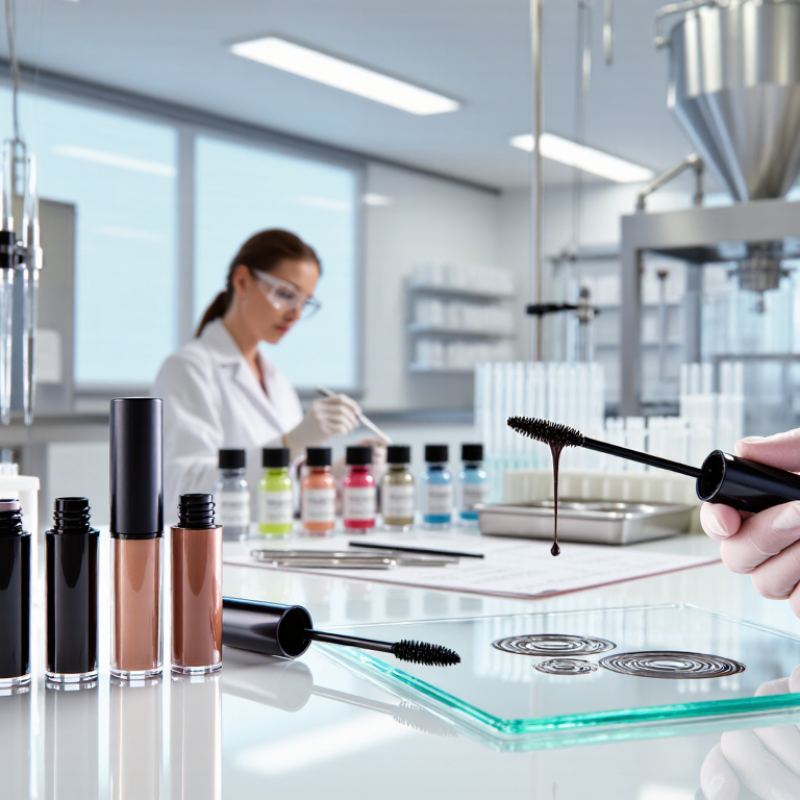
Define Your Mascara Product and Private Label Requirements
Before contacting a private label mascara manufacturer, write a clear product brief. Decide whether you need a lengthening, volumizing, curling, or water-resistant formula. Describe the effect with practical details: separated lashes, visible lift, or fuller-looking volume without heavy clumps. Choose a brush shape, such as a slim silicone wand for precise application or a fuller brush for broader coverage. If you are unsure, test samples on different lash types. One sample may look excellent on short lashes and less convincing on long ones.
Set the requirements your manufacturer must meet. Specify target markets, packaging format, estimated order quantity, and preferred development timeline. Ask for ingredient information, stability testing details, and available product documentation. Confirm how samples are evaluated and whether formula adjustments affect cost or lead time. These conversations help prevent mismatched expectations. I learned that a polished sample is not enough; the formula, brush, and packaging need to work together during everyday use.
Tips: Keep a simple sample log. Note wand shape, application time, clumping, smudging, and removal experience. Take photos in consistent lighting, and record what you would change. Be specific, but leave room for refinement. Your first brief will probably miss something. That is useful information, not a failure.
Define your mascara product and private label requirements before comparing manufacturers. The planning scores below prioritize the product factors that most directly affect formulation, testing, packaging, and launch readiness.
Priority score: 1 = low priority, 5 = critical requirement. Use this framework to create a clear manufacturer brief and evaluate supplier capabilities consistently.
Manufacturer capability should be tested beyond a polished catalog. Grand View Research estimated the global mascara market at approximately USD 5.3 billion in 2023, with continued growth expected through 2030. That growth increases supplier competition, but not every factory can deliver consistent performance. Request production records, quality certificates, and clear capacity details. Check whether the manufacturer controls formulation, filling, brush assembly, and packaging internally. A factory that outsources critical steps may create delays or uneven results.
Customization needs practical testing. Ask for several brush prototypes, including curved, tapered, and fiber designs. Examine how each brush separates lashes, loads product, and reaches inner corners. Request samples in different textures, such as lightweight lengthening or buildable volume. Test smudging, drying time, removal, and performance after opening the tube repeatedly. Stability testing should cover heat, cold, and transport conditions. ISO 22716-based cosmetic manufacturing practices can strengthen process reliability, but certification alone is not proof of product quality.
Small details matter. A suitable partner should explain minimum order quantities, mold fees, sample timelines, and formula ownership clearly. Data from Cosmetics Europe shows that consumer safety and product information remain central to cosmetic purchasing decisions. Do not accept vague answers. A low sample cost can hide expensive revisions later. Sometimes the first prototype looks impressive but performs poorly after six weeks. That is a warning, not a minor flaw. Keep written specifications, approve a controlled pilot batch, and inspect filling accuracy before scaling.
When choosing a private label mascara manufacturer, inspect its quality system before discussing price. A reliable supplier should follow documented cosmetic Good Manufacturing Practices, such as ISO 22716. Ask for current certificates, production records, and batch traceability evidence. Review how raw materials are received, tested, stored, and approved.
Look for calibrated equipment and controlled filling areas. Clean workspaces matter. A certificate alone is not proof of daily compliance. Request recent audit reports or arrange a factory visit when possible.
Mascara requires careful safety testing because it contacts the eyes and dries near sensitive skin. Ask for microbial testing, preservative challenge testing, stability data, and compatibility results. The formula should remain uniform after heat, cold, and repeated opening.
Check the brush, wiper, tube, and closure for leakage or fiber shedding. Packaging defects can become safety problems. Request ingredient specifications, Certificates of Analysis, and product safety documents for each formula. Do not rely on verbal promises.
Regulatory requirements differ by market, so the manufacturer must provide accurate ingredient labeling and supporting records. Confirm that claims are supported by test results, not attractive wording alone.
A responsible team explains limitations clearly. That builds trust. The process is rarely perfect, and overlooked details can happen. This is why independent sample testing and written corrective actions remain valuable before full production.
When comparing private-label mascara manufacturers, ask exactly what each minimum order includes. A 1,000-unit minimum may apply per formula, shade, or packaging version, not to the full order. Confirm whether empty tubes, brushes, and cartons count toward the minimum. Request a written price breakdown for formula, filling, components, setup, samples, and freight. Low unit pricing can hide costly packaging or setup fees. Compare quotes at the quantity you can realistically sell, not only at the supplier’s largest price tier.
Lead times need the same level of detail. Ask for separate estimates for sample development, component sourcing, production, and final inspection. A quoted six-week production window may start only after artwork and samples are approved. Get it in writing. Ask how delays are communicated and whether substitutions require your approval. Build in time for a second sample; the first brush or formula may not perform as expected.
Read contract terms before paying a deposit. Check payment milestones, order changes, cancellation terms, defect thresholds, and remedies for short shipments. Specify who owns approved artwork or custom formula work, and whether the manufacturer can reuse it. Ask what quality records accompany each batch, such as inspection results and lot identification. Some terms may seem minor until a shipment arrives late or packaging differs. Have a qualified professional review unclear clauses before signing.
How to Choose a Private Label Mascara Manufacturer?
Evaluate Samples and Choose the Right Manufacturing Partner
A mascara sample can reveal more than a polished product photo. Apply it to clean lashes and check how smoothly the brush deposits color. Notice whether the formula clumps, flakes, or smudges after several hours of ordinary wear. Compare the tube’s wiper, cap fit, and brush shape, too. Small packaging flaws can become daily frustrations.
Tips: Test samples across different lash types and keep brief notes. Ask the manufacturer for ingredient specifications, batch testing details, and packaging options. Request a revised sample if the first one feels too wet or dries too quickly. One test is not enough.
A reliable partner should answer technical questions clearly and explain how production quality is checked. Ask about minimum order quantities, sample timelines, and how changes are handled after approval. Compare the answers with your actual needs, not just the quoted price. A low quote may exclude useful testing or packaging details. I might overlook a minor brush issue at first; a second review can change the decision. Keep written records of approved samples and specifications before placing an order.
Review production records, quality certificates, and available capacity. Ask which steps happen in-house, including formulation, filling, brush assembly, and packaging.
Request curved, tapered, and fiber brush prototypes. Check how each brush separates lashes, picks up formula, and reaches inner corners.
Check clumping, flaking, smudging, drying time, and removal. Wear the mascara for several hours, then repeat tests with different lash types.
Inspect the wiper, cap fit, and brush shape. A loose cap or awkward wiper can become a daily frustration.
Ask about heat, cold, and transport testing. Recheck samples after repeated opening, and do not rely on one test alone.
Confirm minimum order quantities, mold fees, sample timelines, formula ownership, and how changes are handled after approval. Vague answers matter.
No. ISO 22716-based practices can support reliable processes, but certification alone does not prove the mascara performs well.
Compare each quote with your testing and packaging needs. A low price may exclude useful checks, and revisions can add costs later.
Keep written specifications, approve a controlled pilot batch, and inspect filling accuracy. Review the approved sample again; small flaws are easy to miss.
Choosing the right private label mascara manufacturer begins with clearly defining your product vision and business requirements. Determine the mascara formula, brush design, packaging style, target customers, performance claims, and customization needs before contacting potential suppliers. Then assess each manufacturer’s production capabilities, research and development support, filling equipment, packaging options, and ability to create products that match your specifications.
Quality and compliance should remain top priorities. Confirm that the manufacturer follows consistent quality-control procedures, conducts appropriate safety and stability testing, and provides complete documentation for the markets where you plan to sell. Compare minimum order quantities, pricing, production timelines, payment terms, and contract conditions to ensure the partnership fits your budget and growth plans. Finally, request samples and evaluate their texture, application, wear, packaging quality, and overall consistency. A reliable manufacturing partner should communicate clearly, respond professionally, and demonstrate the flexibility and expertise needed to support your long-term product development.