Industry Knowledge & News

Cosmetics Industry Blog & Insights

Expert formulation guidance, private label manufacturing trends, and clean beauty innovations from NK Cosmetics.

Expert Beauty Resources

Formulation Trends & Standards

Discover helpful guides for beauty brand founders, product developers, and overseas sourcing experts.

0%

Choosing the right private label facial serum manufacturer can shape your brand’s reputation, margins, and customer trust. A serum may look elegant in a glass dropper bottle, yet its formula can separate after two weeks at warm temperatures. That detail matters.

Dr. Linda M. Katz, a former FDA cosmetics expert, stated, “Cosmetic products and ingredients, other than color additives, do not need FDA approval before going on the market.” Her point highlights a practical responsibility: brands must investigate suppliers carefully rather than rely on approval assumptions. A credible manufacturer should explain its ingredient sourcing, production controls, stability testing, microbial testing, and quality documentation. It should also provide clear INCI information and evidence supporting product claims.

Look beyond polished websites. Request facility photographs, certifications, sample batches, test reports, and recent production records. Ask whether the factory follows appropriate Good Manufacturing Practices and can support your target markets. Discuss minimum order quantities, lead times, packaging compatibility, formula ownership, and batch-to-batch consistency. These conversations reveal more than a sales brochure.

The cheapest option may become expensive after reformulation, delayed delivery, or damaged packaging. No supplier is perfect. Even experienced buyers can overlook a weak stability protocol or vague communication. That is why this guide compares manufacturers through practical, evidence-based questions. It will help you assess technical capability, transparency, scalability, and product safety before signing a partnership agreement. A promising sample is only the beginning. Reliability must survive full production.
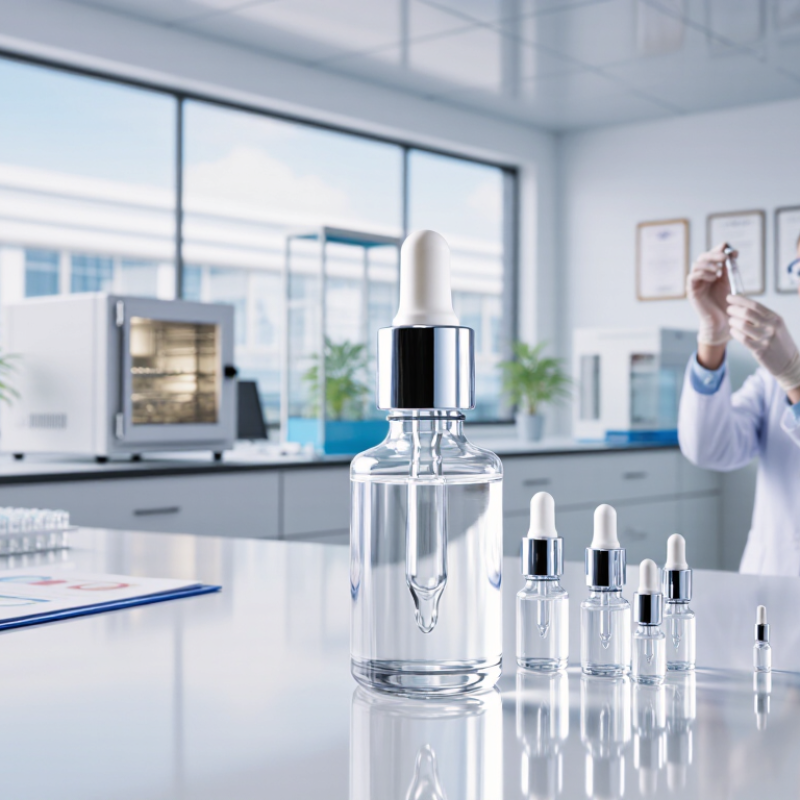
How to Find a Private Label Facial Serum Manufacturer?

Define Your Private Label Facial Serum Requirements

Before contacting a private label facial serum manufacturer, define the product precisely. Identify your target users, skin concerns, preferred texture, and application routine. A lightweight serum may suit oily skin, while dry skin may need richer humectants and oils. List desired ingredients, estimated concentrations, fragrance preferences, and color expectations. Avoid vague requests such as “premium” or “natural.” They create costly misunderstandings. I once treated packaging as a minor detail. That assumption proved too simple.

Tips: Prepare a one-page product brief. Include the serum’s purpose, ingredient preferences, bottle size, closure type, target price, and expected order volume. Ask for sample revisions and clear production timelines. Record every change in writing.

Your requirements should also cover testing and documentation. Ask whether the manufacturer can provide stability data, microbiological testing, ingredient specifications, and batch records. Confirm that proposed claims match available evidence and applicable market rules. “Brightening” may require different support from “improves the appearance of dull skin.” Discuss packaging compatibility, especially with active formulas and air-sensitive ingredients. Request realistic minimum order quantities and lead times. A low unit price can become expensive after testing, custom components, and rejected samples. Leave room for revision; the first formula is rarely perfect.

Define Your Private Label Facial Serum Requirements

The target pH helps align the serum base with its featured active ingredient. These formulation-planning benchmarks can help you brief a manufacturer before requesting samples, stability testing, and compatibility checks.

Typical planning targets: pure L-ascorbic acid formulas are commonly kept acidic, while niacinamide, retinol, hyaluronic acid, and peptide formulas are generally developed closer to skin-friendly pH levels. Final specifications depend on the complete formula, preservative system, packaging, and stability results.

Research and Compare Potential Serum Manufacturers

Choosing a private label facial serum manufacturer requires more than comparing prices. The global skincare market was valued at approximately $155.7 billion in 2022, according to Grand View Research. This scale attracts capable suppliers and inexperienced intermediaries. My first shortlist was too narrow. I focused on attractive packaging instead of production evidence.

Request a complete comparison file from each manufacturer. Check minimum order quantity, sample fees, lead time, formula ownership, and filling capacity. Ask for recent certificates, batch records, stability testing, and microbiological reports. ISO 22716-based manufacturing practices can indicate stronger cosmetic quality controls. However, a certificate alone proves little. Confirm its scope, validity, and issuing organization. A factory tour, live video audit, or independent inspection adds useful experience.

Compare samples under identical conditions. Record texture, absorption, fragrance, color, and pump performance after several weeks. The serum should remain consistent, not merely impressive on arrival. Request the ingredient list and supporting documents for every active. Avoid suppliers that promise extreme results without reliable testing. McKinsey’s beauty industry analysis projects the market could approach $590 billion by 2028, increasing pressure for fast launches. Speed matters, but rushed approval can create expensive revisions. Ask how the manufacturer manages raw-material shortages and formula changes. Some suppliers answer vaguely. That is a warning. A transparent partner explains limitations, costs, and corrective actions before signing.

Verify Formulation, Testing, and Production Capabilities

A private label facial serum manufacturer should prove more than a polished sample. McKinsey’s 2023 beauty report projects the global beauty market could reach about $580 billion by 2027, with skincare remaining a major segment. That growth attracts capable factories and careless ones. Request the complete formula, ingredient percentages, supplier specifications, and allergen information. Confirm who owns the formula and whether changes require written approval. A thicker texture is not proof of better performance.

Ask for stability data from pilot and commercial batches. Testing should cover appearance, odor, pH, viscosity, microbial limits, preservative effectiveness, and packaging compatibility. For water-based serums, challenge testing matters because contamination can develop after repeated contact with fingers. Review laboratory methods, sample sizes, acceptance limits, and signed reports. ISO 22716 provides recognized cosmetic GMP guidance, but a certificate alone is not enough. Walk through the weighing room, filling line, quarantine area, and batch-record system. Look for labeled containers and controlled access.

Production evidence should include minimum order quantities, equipment capacity, cleaning validation, traceability, and deviation handling. Circana’s beauty market reporting has repeatedly shown strong consumer interest in skincare, yet demand can expose weak production planning. Ask how the factory manages raw-material shortages without changing your formula secretly. That question matters. I would also request three consecutive batch records, not one impressive file. No process is perfect. A transparent manufacturer will disclose failed tests, corrective actions, and realistic lead times instead of promising everything immediately. Personally, I would reject vague answers, even when the sample feels luxurious.

Review Pricing, Minimum Orders, and Private Label Services

How to Find a Private Label Facial Serum Manufacturer?

Pricing, minimum order quantities, and private label services should guide your manufacturer search. Start by requesting a detailed quotation, not a single unit price. Ask whether it includes the serum, bottle, pump, label, filling, packaging, testing, and delivery. Hidden costs can change your budget quickly.

Minimum orders deserve careful attention. A supplier may quote 1,000 units, but each shade, fragrance, or package size could require a separate minimum. Request a written breakdown. Confirm sample fees, repeat-order quantities, production time, and payment stages. Small orders may cost more per unit. That is normal. However, an unusually low price needs investigation.

Private label services vary widely. Some manufacturers only fill ready-made formulas, while others support formula adjustment, packaging selection, stability testing, and label compliance review. Ask for ingredient specifications, batch records, quality certificates, and storage instructions. A professional team should explain its testing process clearly. It should also identify which documents you must provide.

Test the sample on skin and inspect the pump after repeated use. Small details matter. The serum should feel consistent, and the package should not leak during transport. My first cost comparison would have been incomplete without freight and damaged-unit allowances. Review every assumption before signing. A transparent manufacturer will answer practical questions without rushing your decision.

How to Find a Private Label Facial Serum Manufacturer? Review of Pricing, Minimum Orders, and Private Label Services

Manufacturer Type Typical Product Format Indicative Unit Price Typical Minimum Order Formula Development Packaging Options Typical Lead Time Best Suited For
Stock Formula Private Label Manufacturer Ready-made facial serums using commonly available cosmetic ingredients US$1.50–$4.00 per unit Approximately 100–500 units per stock formula Selection of existing formulas; minor adjustments may be available Stock bottles Standard pumps Custom labels Approximately 4–8 weeks after artwork approval
Semi-Custom Formulation Manufacturer Existing base formula modified with selected active ingredients, fragrance, or texture US$2.50–$7.00 per unit Approximately 500–2,000 units per formula Ingredient selection, concentration adjustments, and stability review Multiple bottle styles Custom color options Printed labels or cartons Approximately 8–14 weeks, depending on testing
Fully Custom Cosmetic Formulator New serum developed around a specific skin concern, texture, or ingredient concept US$4.00–$12.00+ per unit Approximately 1,000–5,000 units per production run Brief creation, laboratory samples, revisions, safety assessment, and testing coordination Custom component sourcing Primary packaging Secondary cartons Approximately 12–24 weeks from brief to finished production
Organic or Natural-Focused Manufacturer Serums based on plant oils, botanical extracts, naturally derived ingredients, or certified organic inputs US$3.00–$10.00 per unit Approximately 500–3,000 units Natural ingredient sourcing, formulation compatibility, and certification support Glass droppers Recyclable materials Sustainable cartons Approximately 10–20 weeks Brands targeting natural, clean-beauty, or environmentally conscious customers
Premium or Clinical-Positioned Manufacturer High-concentration serums with advanced cosmetic actives and premium packaging US$6.00–$18.00+ per unit Approximately 1,000–5,000 units Advanced active selection, compatibility testing, claims support, and documentation review Airless pumps Special finishes Protective cartons Approximately 14–28 weeks Premium skincare lines and products requiring a high-end presentation
Small-Batch or Artisan Manufacturer Limited-run facial serums with simple formulas and flexible product concepts US$4.00–$15.00 per unit Approximately 50–300 units Basic customization, small-scale sampling, and limited formula adjustments Small-format bottles Simple labels Low-volume packaging Approximately 3–10 weeks Local businesses, seasonal collections, and market validation projects
Pricing note: The figures above are indicative industry ranges for private label facial serums and may vary according to active ingredients, fill size, packaging materials, testing requirements, order volume, customization, shipping, and destination-market compliance. Confirm the final quotation, minimum order, product specifications, certificates, and lead time directly with the selected manufacturer.

Evaluate Samples, Compliance, Packaging, and Supplier Support

How to Find a Private Label Facial Serum Manufacturer?

A reliable evaluation starts with physical samples, not attractive catalog photos. Request several serum versions with different textures, scents, and absorption speeds. Apply each sample to clean skin and record tackiness, pilling, residue, and irritation. Check the color after several weeks, not just on delivery day. Ask for the complete ingredient list, batch number, certificate of analysis, safety data, and microbiological test results. Stability testing should include heat, light, and freeze-thaw conditions. Documentation matters. However, paperwork alone cannot replace independent review. A common mistake is trusting polished documents without checking whether sample batches match production formulas.

Packaging needs equal attention. Test the serum in its proposed bottle for leakage, pump accuracy, air exposure, and label adhesion. Airless packaging may protect sensitive formulas, while dark glass can reduce light exposure. Measure the fill weight repeatedly. Small differences can create customer complaints. Confirm materials, printing methods, carton strength, and recycling information before approval. Packaging should fit the formula, not merely look premium.

Supplier support often reveals operational maturity. Ask about pilot quantities, minimum order requirements, production timelines, quality control, and complaint handling. Request written procedures for formula changes and delayed shipments. A responsive contact is useful, but a documented system is stronger. I would also request a retained sample from each production batch. This step is easy to overlook. It can support later investigation if color, odor, or texture changes. No supplier is perfect, so assess how openly they discuss limitations and corrective actions.

FAQS

What should I compare when choosing a facial serum manufacturer?

Compare minimum order quantity, sample fees, lead time, formula ownership, and filling capacity. Do not compare prices alone. Production evidence matters more than attractive packaging.

Which documents should a manufacturer provide?

Request ingredient lists, batch records, stability data, microbiological reports, and certificates of analysis. Also request allergen information and supplier specifications. A certificate alone proves little.

How can I evaluate serum samples properly?

Test samples under identical conditions on clean skin. Record texture, absorption, fragrance, color, tackiness, and residue. Check them again after several weeks. First impressions can mislead.

What stability tests are important for water-based serums?

Testing should cover appearance, odor, pH, viscosity, microbial limits, and preservative effectiveness. Packaging compatibility also matters. Challenge testing is especially useful after repeated contact with fingers.

How can I check whether production quality is reliable?

Request three consecutive batch records instead of one impressive file. Review weighing, filling, quarantine, cleaning, traceability, and deviation procedures. Look for labeled containers and controlled access. One file is not enough.

What should I inspect during a factory audit?

Review the weighing room, filling line, storage areas, and batch-record system. A live video audit or independent inspection can reveal practical details. Watch how staff label materials. Paperwork can look perfect.

How should packaging be tested with the serum?

Test leakage, pump accuracy, air exposure, fill weight, and label adhesion. Check the bottle after transport-like handling. Dark or airless packaging may protect sensitive formulas. Premium appearance is not protection.

How should a manufacturer handle formula or raw-material changes?

Ask for written approval before any formula change. Confirm how shortages are managed without secretly replacing ingredients. Request corrective-action records for failed tests. Vague answers deserve caution.

Conclusion

Finding the right private label facial serum manufacturer starts with clearly defining your product requirements, including the target skin concerns, preferred ingredients, texture, packaging style, and expected production volume. Once these details are established, research and compare potential manufacturers based on their experience, communication, formulation expertise, testing procedures, and production capacity. A reliable partner should be able to explain its development process, quality controls, and ability to create consistent batches.

Before making a decision, review pricing, minimum order quantities, lead times, and the private label services included. Request samples to assess the serum’s appearance, feel, stability, and overall quality. You should also confirm that the manufacturer can provide suitable documentation, compliant labeling support, dependable packaging options, and responsive after-sales assistance. Evaluating these factors together will help you choose a capable supplier that can support product development, maintain quality standards, and build a practical long-term partnership.

Charlotte

Charlotte

Charlotte is a dedicated marketing professional who combines strategic insight, clear communication, and a thorough understanding of the company’s products and services. With a strong ability to translate complex product information into practical value, she helps customers, partners, and industry......