Expert formulation guidance, private label manufacturing trends, and clean beauty innovations from NK Cosmetics.
Discover helpful guides for beauty brand founders, product developers, and overseas sourcing experts.
Choosing the right partner for contract filling for beauty products requires more than comparing factory photos or quoted prices. A reliable supplier must connect formulation, filling, packaging, testing, and delivery without losing product control. This guide introduces ten notable Chinese manufacturers serving skincare, haircare, body care, and cosmetic brands.
The evaluation considers practical factors, including GMP or ISO-based quality systems, batch traceability, minimum order quantities, stability testing, filling accuracy, and packaging flexibility. It also examines whether suppliers can support tubes, jars, bottles, sachets, and airless pumps. Factory experience matters. A clean filling room, calibrated equipment, retained samples, and clear inspection records often reveal more than polished marketing language. Short lead times sound attractive, but rushed production can create avoidable problems.
No ranking is permanent. Supplier capabilities, certifications, equipment, and export experience can change. Some manufacturers are strong at small private-label runs, while others perform better with large, repeat orders. A few may offer impressive customization but lack transparent documentation. That deserves careful review. Buyers should confirm certificates, audit production sites when possible, test pre-production samples, and clarify responsibility for formula ownership and product claims. Details matter.
This overview aims to provide a practical starting point, not a final purchasing decision. Each company should be contacted directly for current pricing, capacity, compliance records, and sample policies. The best match depends on your formula, market, budget, packaging needs, and expected growth.
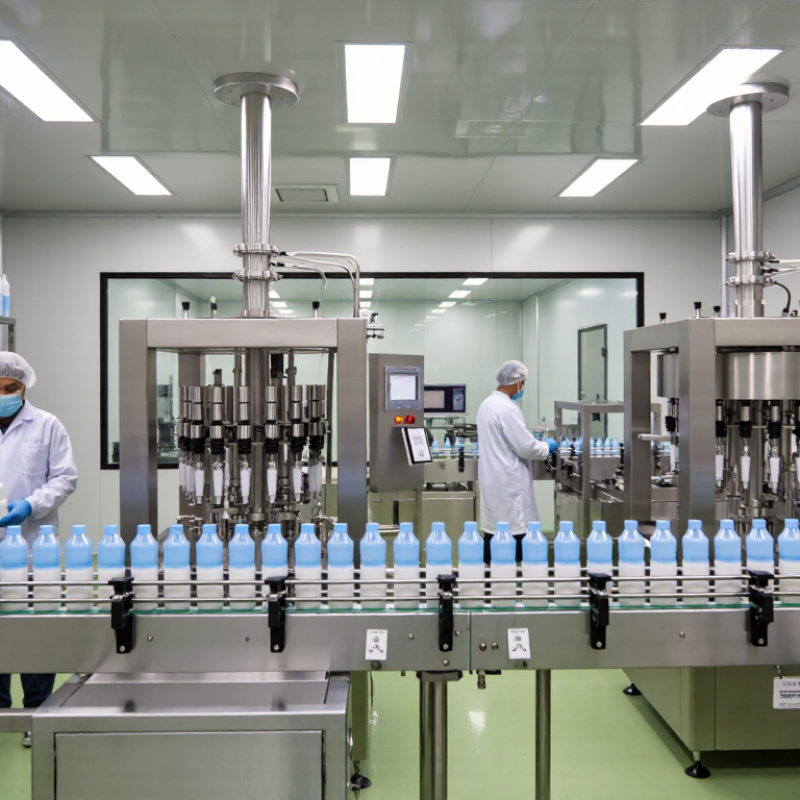
Contract filling for beauty products in China means a specialized manufacturer fills, seals, labels, and packs products for another company. The client usually provides the formula, packaging design, or finished bulk product. The factory manages production steps under agreed specifications. These steps may include weighing, mixing, filling bottles, applying pumps, coding batches, and packing cartons.
Before production, trained staff check packaging dimensions, product viscosity, filling volume, and label information. A 30-milliliter serum may require different equipment from a thick cream in a jar. Reliable facilities also keep batch records, retain samples, and inspect weight variation. Production areas should follow suitable quality systems and documented hygiene controls. Buyers should verify certificates, testing procedures, traceability, and export requirements rather than trusting photographs alone.
It should also explain what happens when a pump leaks or labels wrinkle. Small details matter. In practice, misunderstandings still occur, especially when the product brief is rushed or translated poorly.
I would request a pilot filling run before placing a large order. It reveals problems with foaming, dripping, sealing, or carton fit. Contract filling can reduce equipment costs, but it is not a flawless shortcut. Careful communication remains part of the manufacturing work.
China’s leading beauty fillers should be ranked by evidence, not factory size alone. The National Bureau of Statistics reported RMB 414.2 billion in cosmetics retail sales in 2023. This scale increases pressure on suppliers to deliver stable quality, flexible production, and traceable documentation. A serious selection process begins with legal registration, manufacturing qualifications, and documented quality systems.
Factory audits should examine ISO 22716 practices, batch records, raw-material controls, laboratory testing, and complaint handling. Production capacity also matters, but unused capacity proves little. Auditors should inspect filling lines, cleaning procedures, warehouse conditions, and actual delivery records. Shorter sampling cycles can reveal whether a supplier handles texture, color, and viscosity consistently.
A practical ranking can use weighted scores. Quality and compliance may represent 35 percent, technical capability 25 percent, delivery performance 20 percent, and sustainability 20 percent. McKinsey’s China beauty market analysis highlights rising expectations for ingredient transparency and product differentiation. Therefore, strong fillers should show formulation support, packaging compatibility tests, and clear ingredient traceability. Good communication matters too.
No scorecard is perfect. A clean audit cannot predict every batch failure. Buyers should request independent test reports and recent customer references. They should also review corrective-action records, not only successful samples. The final top ten should reflect verified performance across several production cycles, rather than impressive facilities or promotional claims. Evidence matters.
China’s top 10 contract filling companies for beauty products should be judged by evidence, not factory size alone.
China’s National Bureau of Statistics reported cosmetics retail sales of approximately RMB 414.2 billion in 2023. That scale increases demand for reliable filling, testing, and packaging services.
A strong supplier should provide batch records, raw material traceability, stability testing, and controlled filling environments. ISO 22716 provides a useful benchmark for cosmetic good manufacturing practices.
Traceability matters.
The best candidates usually support creams, serums, lotions, cleansers, and color products with flexible minimum order quantities. They should also demonstrate microbiological control, packaging compatibility, and documented quality release procedures.
In my view, a practical top-ten evaluation should include audit results, technical staff, delivery consistency, and experience with China’s regulatory filing requirements. Speed alone is not enough.
McKinsey’s beauty industry research has highlighted China’s increasingly demanding consumers and stronger expectations for product quality and credibility. However, rankings can remain imperfect.
Public factory information may omit subcontracting, rework rates, or delayed batch histories. Buyers should request recent certificates, sample records, and production photographs before selecting a contract filler.
A polished showroom proves little. A controlled batch record proves more.
Chinese beauty product fillers offer more than bottle filling. Their services often cover formula development, ingredient sourcing, pilot production, filling, labeling, and final packing. Experienced teams can adjust a cream’s viscosity for jars, tubes, or airless pumps. They also check color, fragrance, texture, and filling weight during production. A reliable filler should provide batch records, material specifications, stability data, and documented quality checks. These details help buyers trace problems instead of guessing.
Tips: Request a small pilot batch before placing a large order. Check how the factory handles rejected units, packaging defects, and formula changes. Ask for production photos and sample quality reports. Clear communication matters. It is easy to overlook cap compatibility or label placement. Small errors become expensive later.
Good fillers may also support product testing, packaging sourcing, compliance documents, and export preparation. Their technical staff can explain reasonable production limits, minimum order quantities, and storage conditions. However, not every factory manages every service equally well. Some may offer attractive prices but weak documentation. Others may produce excellent samples yet struggle with consistent scale-up. Buyers should compare records, inspect facilities when possible, and approve written specifications before production. Practical experience shows that transparent updates are often more valuable than impressive promises.Mistakes still happen. Good systems reveal them early.
Key services commonly evaluated when selecting a Chinese beauty product filler
The chart ranks ten core service areas involved in beauty product contract filling, including formula development, packaging, filling, quality control, regulatory support, and logistics. The score is an industry-priority index from 1 to 10, where higher values indicate a more central role in a complete contract manufacturing project.
Choosing a Chinese contract filler requires more than comparing unit prices. Start by checking the facility’s experience with your product type, such as creams, serums, cleansers, or color cosmetics. Ask for current quality certificates, production licenses, batch records, and documented testing procedures. A reliable factory should explain its manufacturing process clearly. Vague answers deserve caution.
Request development samples before signing a large order. Examine texture, scent, color stability, filling accuracy, and packaging compatibility. Ask whether the factory performs microbial, stability, and preservative-effect testing through qualified laboratories. Confirm who owns the formula, artwork, molds, and test data. These details can prevent expensive disputes later. Small details matter.
Visit the facility if possible, or arrange a documented remote audit. Review raw material storage, water treatment, calibration records, hygiene controls, and traceability systems. Discuss minimum order quantities, production lead times, inspection points, rejected goods, and corrective actions in writing. A quality agreement should define responsibilities on both sides.
Communication also reveals operational maturity. Can the team explain delays honestly? Do they provide English technical documents? Do they understand your target market’s labeling and import requirements? In my experience, low pricing can hide weak change control or inconsistent packaging. I once overlooked response speed during supplier evaluation, and that created avoidable pressure later. A better decision balances cost, evidence, technical capability, and dependable communication.
A specialized factory fills, seals, labels, and packs products for another company. The client usually supplies the formula, design, or bulk product.
Workers weigh ingredients, mix products, fill containers, attach pumps, code batches, and pack cartons. Each step follows agreed specifications.
A 30-milliliter serum may need different equipment from a thick cream. Viscosity, container shape, and filling volume affect machine selection.
Staff should inspect packaging dimensions, product texture, filling volume, and label information. Small mismatches can cause leaks or poor presentation.
Review legal registration, manufacturing qualifications, quality systems, batch records, testing procedures, and traceability. Do not rely on photographs alone.
It should define defect limits, delivery tolerances, testing duties, approval samples, and corrective actions. Explain what happens when pumps leak or labels wrinkle.
It can reveal foaming, dripping, sealing, and carton-fit problems before large production. I would request one, even when samples look perfect.
Use verified evidence across several production cycles. Quality, technical capability, delivery performance, and sustainability can receive weighted scores.
No. A clean audit is not magic. Buyers should review independent reports, recent references, and corrective-action records.
Rushed product briefs and poor translations often create misunderstandings. Clear specifications help, but communication still needs regular checking.
China’s contract filling for beauty products industry provides brands with flexible, efficient, and cost-effective solutions for developing and producing cosmetics, skincare, haircare, and personal care items. Contract fillers typically support the full production process, including formula preparation, ingredient sourcing, filling, labeling, packaging, quality inspection, and shipment coordination. This article explains what contract filling means in China and introduces a practical framework for evaluating leading manufacturers based on production capabilities, facility standards, product quality, customization options, communication, minimum order quantities, and delivery performance.
It also reviews the key services commonly offered by Chinese beauty product fillers, such as private-label manufacturing, packaging customization, sample development, stability testing, and regulatory documentation support. To choose the right partner, brands should compare technical expertise, certifications, transparency, quality-control procedures, pricing, production capacity, and after-sales communication. Careful factory assessment and clear project requirements can help ensure consistent quality, reliable timelines, and a smoother path from product concept to market-ready beauty products.