Expert formulation guidance, private label manufacturing trends, and clean beauty innovations from NK Cosmetics.
Discover helpful guides for beauty brand founders, product developers, and overseas sourcing experts.
Choosing a low MOQ color cosmetics manufacturer in 2026 can help emerging brands test products without filling a warehouse with unsold stock. But a small opening order is only one part of the decision. Formula quality, shade consistency, packaging options, and communication can affect both launch costs and customer trust.
Ask how minimums are calculated. Some manufacturers set a minimum per shade, while others apply it to the full product range. Request a written quote that separates formula, packaging, decoration, sampling, and freight costs. Then compare it with a physical sample: a lipstick that looks warm beige on a screen may appear noticeably pink under daylight. Small differences matter.
Check what the supplier can document. Useful evidence may include ingredient specifications, batch records, quality checks, and clear answers about applicable product requirements in your target markets. Ask for realistic sampling and production timelines, too. A fast promise is not proof of reliable capacity. Request references or examples of comparable work where available, and confirm who handles changes after approval.
Look beyond the first order. Can the manufacturer keep the same pigment blend and packaging when you reorder? What happens if a component is delayed? These questions can feel tedious. They are practical. This guide explores how to compare manufacturers, assess samples, and spot trade-offs before committing. A low MOQ can reduce risk, but it cannot replace careful testing. Even experienced buyers can miss details, so leave room to verify assumptions before launch.
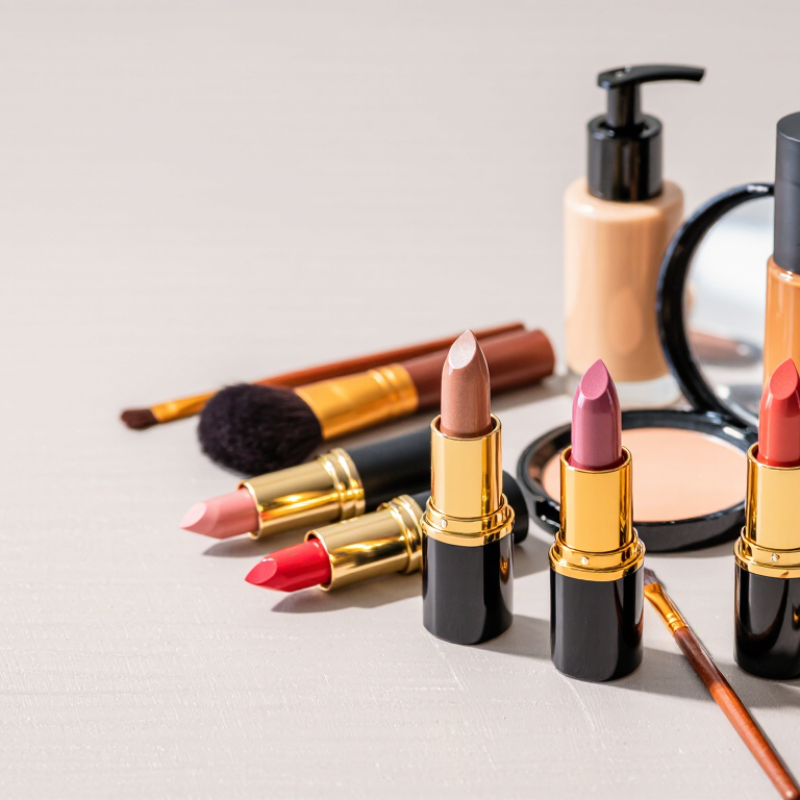
2026 Best Low MOQ Color Cosmetics Manufacturer?
Understanding Low-MOQ Color Cosmetics Manufacturing in 2026
Low-MOQ color cosmetics production lets emerging businesses test shades without ordering thousands of units. In 2026, a low minimum may still vary by product, formula, packaging, and filling process. A lipstick in a standard tube may have a different minimum from a custom-molded compact. Ask what the quoted quantity includes: finished units, printed cartons, labels, and setup charges. Details matter.
Tips: Request a written MOQ breakdown for each shade and package component. Ask about sample rounds, color tolerances, and lead times before paying a deposit. Keep an approved shade reference, such as a signed sample, and record the lighting used to assess it. Small batches are not automatically cheaper. That assumption is easy to make.
Before choosing a manufacturer, review its quality documents and ask how it tracks batch records and retains samples. Warm studio lamps can make a neutral beige look peach, so ask how shade matching is checked. A pilot run can reveal filling or packaging issues before a larger order. Low MOQ can reduce inventory risk, but unit costs may be higher and options narrower. Not always. Ask what happens if the first sample misses the target.
Understanding Low-MOQ Color Cosmetics Manufacturing in 2026
These are illustrative pilot-order planning quantities, not verified industry averages or supplier quotes. Actual minimums vary with formula, packaging, customization, and production setup. Confirm the MOQ for each item directly with a manufacturer.
A low MOQ is useful only when the product, shade, and pack can be made consistently. McKinsey’s 2023 beauty-market analysis projected the global market could reach about $580 billion by 2027, with roughly 6% annual growth. That scale hides a practical challenge: color cosmetics often multiply into many shade and packaging combinations. Small batches are not automatically simpler. Ask the manufacturer to define MOQ per formula, shade, component, and decoration, then confirm whether unused packaging must be purchased separately.
For each shade, request a full ingredient list, batch documentation, and test data for stability and microbiological quality. Confirm that every color additive is permitted for its intended use in the target market; eye-area products may have different restrictions. Check the label artwork for ingredient names, net contents, warnings, and required local information. For U.S. sales, map applicable FDA requirements, including those introduced under MoCRA, with a qualified compliance specialist. Packaging needs equal scrutiny. Test the formula in the actual container for leakage, color change, odor, and dispensing performance, not just in a lab sample. Ask for material specifications and evidence supporting any recycling or environmental claims. One detail is easy to miss: a compliant formula can still fail review if the final label or shade claims are inaccurate. Manufacturers should provide traceable records, but buyers need to verify them.
Choosing a low-MOQ color cosmetics manufacturer in 2026 means looking beyond the quoted unit price. A small first run can reduce inventory risk, but it may raise per-unit costs or restrict shade options. Ask what “minimum” means: units per formula, per shade, or per packaging design. These terms are not interchangeable.
Check how the manufacturer handles formulation samples, color matching, stability checks, and packaging compatibility. Ask to review a sample batch record and a written production timeline. Can they explain how a shade adjustment affects cost and schedule? A clear answer is more useful than a broad promise. Details matter. If the factory offers a pilot run, confirm whether its testing and production steps match the larger order; a small batch alone does not prove repeatability.
Read the minimum-order terms line by line. Look for setup charges, packaging minimums, payment milestones, acceptable production variance, and reorder quantities. Request a written quote that separates these costs. I would also ask what happens if a component arrives late, though the answer may not cover every delay. That is worth noting, not ignoring. Compare two or three suppliers using the same brief, then keep their replies beside your sample notes.
2026 Best Low MOQ Color Cosmetics Manufacturer?
Comparing Quality, Pricing, Lead Times, and Customization
A low minimum order can make a launch more manageable, but the quoted MOQ may apply separately to each shade, formula, or package. Ask for the breakdown in writing. That matters. A 500-unit order can become several larger commitments when three shades need separate components.
Quality shows up in small details. Check whether sample colors match approved swatches under consistent lighting, and ask how batches are documented. For powders, inspect texture and fallout; for lip products, check glide, scent, and settling after storage. Request current test and stability information relevant to the product. A polished sample is useful, but it does not guarantee every production batch will feel identical.
Compare prices by total landed order, not unit cost alone. Include setup charges, decoration, component sourcing, and sample fees. Lead times should distinguish lab sampling, revisions, packaging procurement, and bulk production; one vague delivery estimate can hide weeks of waiting. Customization may cover shades, finishes, fragrance, or packaging, though each change can affect cost and timing. Ask what can be adjusted without restarting development. The answer may be less flexible than expected. That is worth knowing before paying a deposit. A simple spreadsheet comparing the same specifications helps keep supplier quotes honest, even if the first draft is imperfect.
| Manufacturer Profile | Typical MOQ | Indicative Unit Price | Typical Lead Time | Quality and Documentation | Customization Options | Best Fit |
|---|---|---|---|---|---|---|
| Stock-formula private-label producer | About 100–500 units per shade or SKU; packaging choices may be limited at the lowest quantities. | Approximately US$1.50–US$4.00 per lip gloss unit, including standard primary packaging. Price depends on order size, pack, and formula. | Samples: about 1–3 weeks. Production: about 4–8 weeks after artwork and specifications are approved. | Request current GMP documentation, ingredient lists, product specifications, and applicable safety or stability test records. Documentation varies by facility and destination market. | Usually offers existing formulas, a selection of shades, standard packaging, and custom labels or cartons. | Start-ups and small test launches prioritizing low initial commitment and faster setup. |
| Established OEM/ODM color cosmetics factory | About 500–2,000 units per SKU; custom packaging components may have higher minimums. | Approximately US$1.00–US$3.50 per lip gloss unit with standard packaging; larger runs generally improve unit economics. | Samples: about 2–4 weeks. Production: about 6–10 weeks after final approval. | May provide batch records, incoming-material checks, in-process controls, and finished-product testing. Verify the scope and validity of certifications directly. | Shade matching, label and carton design, selected formula adjustments, and a broader range of stock components. | Growing brands seeking a balance between customization, production capacity, and cost. |
| Custom-formula development manufacturer | Often about 1,000–3,000 units per SKU; development charges or component minimums may apply separately. | Approximately US$2.00–US$6.00 per lip gloss unit for small runs with custom development and packaging; this is not a quotation. | Formula development and revisions: about 4–12 weeks. Production after approval: about 8–14 weeks. | Ask for formula specifications, stability and compatibility testing, batch traceability, and market-specific compliance support. Requirements depend on the product and sales region. | Greater control over texture, finish, fragrance, pigments, and packaging; custom tooling can add cost and time. | Brands that need differentiated formulas or product performance beyond stock options. |
| Large-volume mass-production manufacturer | Commonly 3,000–10,000+ units per SKU, with higher minimums possible for custom components. | Approximately US$0.70–US$2.50 per lip gloss unit at larger volumes with standard packaging; final costs depend on specification and order quantity. | Samples: about 2–5 weeks. Production: about 8–16 weeks after approval, depending on capacity and component availability. | Typically suited to documented production controls and repeatable batch processes. Confirm audit results, testing scope, and certificates rather than relying on general claims. | Can support extensive shade ranges, packaging selection, and scaled production; bespoke development may require larger commitments. | Established brands with forecastable demand and a priority on scale and lower unit costs. |
Benchmark note: Figures are indicative planning ranges, not verified offers from named manufacturers. MOQ, price, and timing vary by product type, formula, packaging, order quantity, testing needs, and destination market. Request a written quotation and confirm applicable regulatory and quality documentation before placing an order.
Before choosing a low-MOQ color cosmetics manufacturer, verify how the quoted minimum is calculated. It may apply per shade, formula, or packaging type. Ask for a written breakdown of setup charges, sample costs, production time, and payment milestones. Request current product specifications, ingredient lists, batch records, and quality-control procedures. Ask how the supplier identifies and tracks each production batch. Check the details. A video call can show the filling area, packing workflow, and storage conditions, though it cannot replace an audit when one is practical. Have a qualified professional review documents for your intended sales market.
Plan the first run around a small, useful range rather than every color idea. Confirm shade references under consistent lighting, then approve a production sample in the actual packaging. Test closure fit, label placement, and how the formula behaves after repeated opening. Keep written acceptance criteria for color, fill weight, appearance, and damaged units. Small runs expose gaps. A polished sample can still hide inconsistent filling or a long packaging lead time. That is easy to overlook. Build time into the schedule for corrections, and ask who pays if approved specifications are missed. Retain samples from the run and record any differences before reordering.
Ask whether the minimum applies per formula, shade, component, or packaging design. Confirm whether unused packaging must be purchased separately. Small does not always mean simple.
Request a full ingredient list, batch records, and stability and microbiological test data. Check that color additives are permitted for the product’s intended use. Details matter.
Test the formula in its actual container. Check for leaks, color changes, odor, and uneven dispensing. A lab sample alone may not reveal everything.
Ask for separate costs for setup, samples, packaging, and production. Check payment milestones, production variance, and reorder quantities. Compare suppliers using the same brief.
Confirm that its testing and production steps match the larger order. Ask how shade changes affect cost and timing. A small run does not prove repeatability.
Start with a small, useful shade range. Approve a production sample in the final packaging, using consistent lighting. Test the closure and label placement.
Set written standards for color, fill weight, appearance, and damaged units. Keep samples from the run and record differences before reordering. Small runs expose gaps.
Request quality-control procedures and ask how each batch is tracked. A video call can show filling, packing, and storage. It cannot replace an audit when practical.
Have a qualified professional review product documents and label artwork. Check ingredient names, net contents, warnings, and local information. I might be overchecking, but labels matter.
Choosing the right low MOQ color cosmetics manufacturer in 2026 starts with defining the products you want to make, the packaging they require, and the quality and compliance standards they must meet. Clear specifications help you compare suppliers on more than their advertised minimum order quantity. Review their production capabilities, available customization, sampling process, minimum terms for each product and packaging component, and ability to support your target launch schedule.
Before committing, compare quotes alongside product quality, lead times, communication, and the costs of any custom options. Verify supplier credentials, request samples, and confirm responsibilities, timelines, and approval steps in writing. A carefully planned first production run can help you assess demand and supplier performance while limiting unnecessary inventory. By setting realistic expectations and checking each detail before production, you can make a more informed choice and build a practical path from product concept to launch.